Best Shoes for Plantar Fasciitis: 5 Supportive Pairs
We compare five shoes for plantar fasciitis, from max-cushion running trainers to orthotic-friendly walking shoes, and explain what to look for.
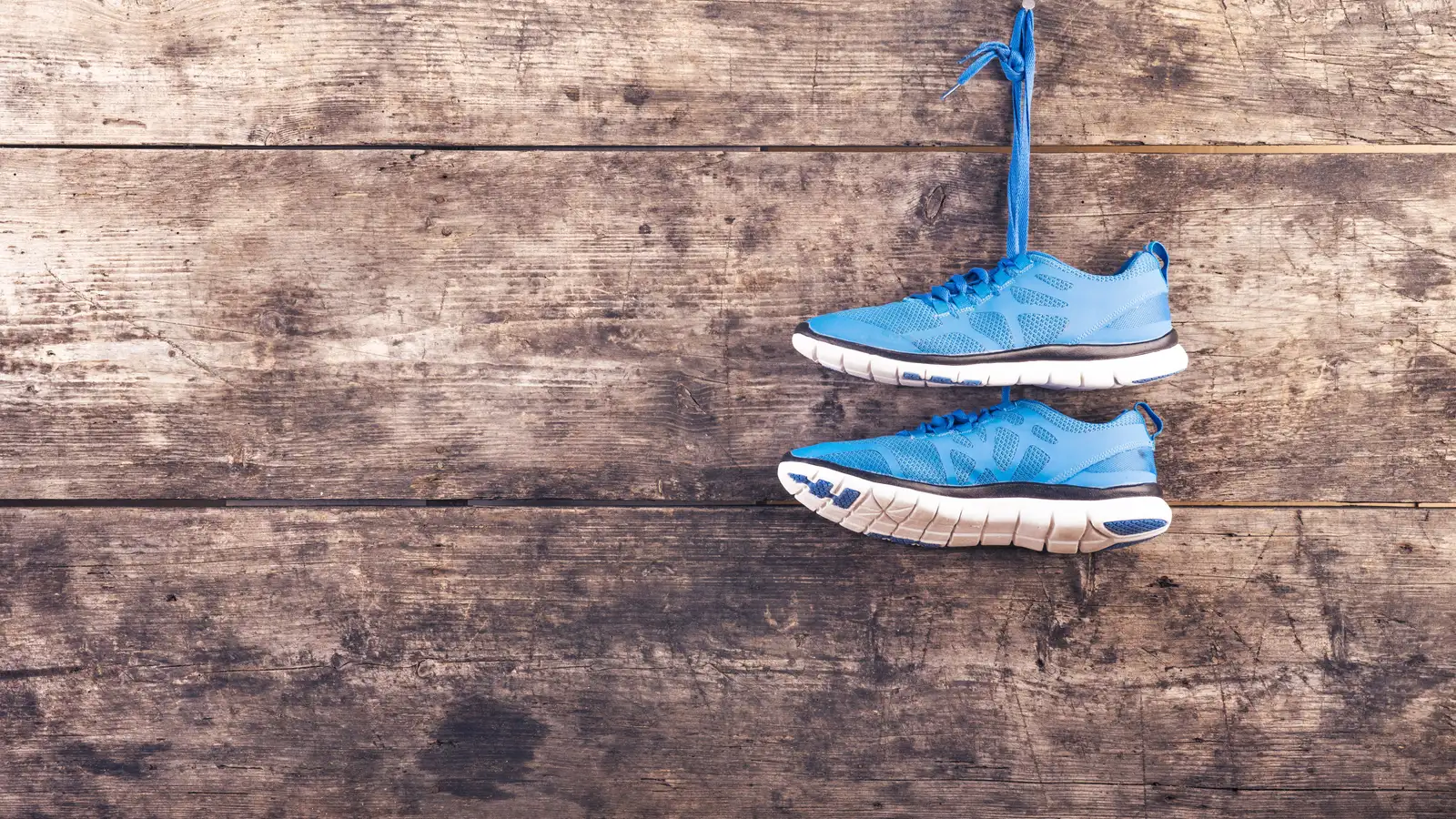
The quick answer
Plantar fasciitis pain is usually worst first thing in the morning or after a long day on your feet. The right shoe will not cure it, but a stable, cushioned pair can take pressure off the heel while you recover.
For most people, the Hoka Bondi 9 is the easiest place to start: it has the deepest, most stable cushioning here and a rocker sole that helps the foot roll forward. Pick the Brooks Ghost 17 if you want a more natural daily trainer, the ASICS Gel-Nimbus 27 for plush landings, the New Balance 1080v14 for a wide fit, or the Vionic Walker Classic if you want firm arch support in an everyday shoe.
What to look for in a plantar fasciitis shoe
Plantar fasciitis is irritation of the thick band under the foot. Shoes help by reducing the load on the heel and supporting the arch; they do not treat the inflammation itself. The best pair for you usually combines:
- Enough cushioning under the heel, but not so much that your foot sinks and the ankle rolls.
- A firm heel counter that holds the heel steady.
- Arch support, either built in or from a removable insole you can swap.
- A slight rocker or stiff forefoot so the toes bend less with each step.
- A roomy toe box and a secure midfoot, so you are not gripping with your toes.
- A mid-to-high drop (roughly 8–12mm), which many people find kinder to the calf and fascia than a flat, low shoe.
- Under-heel cushioning
- 5.0 / 5
The sore spot is at the heel, so this is the first thing to get right.
5.0 / 5 - Arch support
- 5.0 / 5
Built-in support or a removable footbed for your own orthotics.
5.0 / 5 - Heel counter
- 4.5 / 5
A firm, padded counter stops the heel from rolling inward.
4.5 / 5 - Forefoot flexibility
- 4.0 / 5
A gentle rocker reduces how much the toes bend.
4.0 / 5 - Toe-box room
- 4.0 / 5
Less pressure on the forefoot and less toe gripping.
4.0 / 5 - Weight
- 3.0 / 5
Lighter is nicer, but cushioning and stability matter more.
3.0 / 5
The five picks at a glance
Side-by-side: the four running-style picks. The Vionic Walker Classic is covered below as the everyday support option.
| Feature | Hoka Bondi 9 | Brooks Ghost 17 | ASICS Gel-Nimbus 27 | New Balance 1080v14 |
|---|---|---|---|---|
| Best for | Maximum cushioning and heel pain | Balanced daily training | Soft landings on long days | Wide and extra-wide feet |
| Cushioning feel | Thick, stable and slightly firm | Balanced, not mushy | Plush and soft | Soft with a stable base |
| Arch support | Neutral; add an insole if needed | Mild | Mild | Mild |
| Heel counter | Structured | Padded and secure | Padded | Structured |
| Removable footbed | Yes | Yes | Yes | Yes |
| Fit note | True to size, wide options | True to size, wide options | Snug knit upper | Generous toe box, multiple widths |
| Main drawback | Tall and bulky | Less cushioning than max trainers | Soft ride can feel unstable | Outsole wears faster than some |
The Vionic Walker Classic is the odd one out: it is a leather walking shoe with a firmer, contoured footbed and a deep heel cup, rather than a running midsole. It is the best choice if you want support for work or everyday walking and do not need a trainer.
The five picks in detail
Hoka Bondi 9
Best overall for heel pain
Rating 4.8 / 5
The Bondi is Hoka's most cushioned road shoe, and that is the point. The midsole is thick and wide, so the heel lands on a stable platform instead of sinking into soft foam. Hoka's meta-rocker geometry helps the foot roll from heel to toe, which can reduce the stretch on the plantar fascia during walking. It is a neutral shoe, so add a supportive insole if you need more arch height. The trade-off is bulk: it is tall, heavy and not the shoe for gym classes or uneven ground.
What works
- Very generous under-heel cushioning
- Wide, stable base
- Rocker sole helps smooth transitions
- Available in wide fits
Watch out for
- Tall and bulky
- Not ideal for gym classes or rough ground
- Heavier than lighter daily trainers
Brooks Ghost 17
Best daily trainer
Rating 4.6 / 5
The Ghost is Brooks' neutral everyday trainer, and its balanced cushioning suits plantar fasciitis better than a very soft shoe. The DNA Loft midsole takes the edge off heel strikes without collapsing, and the 12mm drop puts less stretch on the calf and fascia than a lower shoe. The padded heel counter holds the foot securely. It is not an orthotic shoe, so if you need firm arch support, plan to add an insole. It also has less cushioning under the heel than the Bondi.
What works
- Balanced, not mushy cushioning
- Smooth heel-to-toe transition
- Available in a wide fit
- Comfortable upper
Watch out for
- Mild arch support only
- Less plush than max-cushion shoes
- Not as stable as a dedicated walking shoe
ASICS Gel-Nimbus 27
Best for soft long days
Rating 4.5 / 5
The Gel-Nimbus is ASICS' plush neutral trainer. The FF BLAST+ midsole and rearfoot GEL take the sting out of long days on hard pavements, which helps when every heel strike feels tender. The 8mm drop sits between the Ghost and the 1080. The knit upper is comfortable but snug, so try it on if you have a broad forefoot. Because it is soft, some people with plantar fasciitis find it less stable than a firmer shoe, especially when standing still.
What works
- Plush heel and forefoot cushioning
- Comfortable knit upper
- Good for long walks and runs
- Smooth rocker feel
Watch out for
- Soft ride can feel unstable
- Snug fit for wide feet
- Less arch support than an orthotic shoe
New Balance 1080v14
Best for wide feet
Rating 4.5 / 5
The 1080 is New Balance's premium neutral trainer and the easiest shoe here to fit a broad foot. It comes in multiple widths, and the toe box is roomy without feeling sloppy. Fresh Foam X cushioning is soft but not bottomless, and the 6mm drop gives a flatter, more stable feel than the Bondi. If you wear custom orthotics, check that they sit flat inside the removable footbed. The outsole is not the most durable, so keep it for pavement rather than trail.
What works
- Generous width options
- Roomy toe box
- Soft but stable cushioning
- Removable footbed
Watch out for
- Outsole can wear quickly
- Softer than some heel-pain sufferers want
- Sizing can vary by width
Vionic Walker Classic
Best everyday support shoe
Rating 4.4 / 5
The Walker Classic is a leather walking shoe built around a firm, contoured footbed with a deep heel cup. That gives more built-in arch support than any of the running shoes here, which makes it a better choice for standing at work or walking around town. The footbed is removable, so you can swap in your own orthotics. It is firmer and less cushioned than the trainers, and the leather needs a short break-in period.
What works
- Firm, contoured arch support
- Deep heel cup holds the foot
- Removable footbed for orthotics
- Leather upper looks smart enough for work
Watch out for
- Firmer ride than running shoes
- Heavier than it looks
- Limited cushioning for long runs
How to choose the right pair for your foot
Start with the job the shoe has to do. If you run or walk briskly, a neutral running shoe with cushioning and a rocker is usually the most comfortable. If you stand all day or need something for the office, a walking shoe with firmer arch support makes more sense.
- Match the support to your arch. A neutral cushioned shoe plus a supportive insole suits many people; a shoe with built-in arch support suits others.
- Do not go too soft. Deep, marshmallow foam can feel unstable and make the foot work harder.
- Check the heel. Press the back of the shoe: it should be firm, not collapsible.
- Take your orthotics. If you wear them, choose a shoe with a removable footbed and enough depth.
- Buy for the larger foot. Feet swell during the day, so try shoes in the afternoon.
- Rotate pairs. Alternating two pairs gives the foam time to recover and extends their life.
Fit, sizing and breaking them in
Most of these shoes fit true to size, but plantar fasciitis makes fit more important than usual. You want a secure midfoot and heel, with about a thumb's width between your longest toe and the end of the shoe. If the heel slips, try a different lacing pattern or a half size down; if the toes feel cramped, go up or choose a wide fit.
Break new shoes in gradually. Wear them for an hour at home, then for a short walk, then for a full day. Do not head straight out for a long walk or run in a brand-new pair.
When a shoe is not enough
The verdict
Frequently asked questions
Can I wear running shoes for plantar fasciitis all day?
Yes, if they are comfortable and your workplace allows them. A cushioned neutral trainer can work for standing, but a walking shoe with firmer arch support, such as the Vionic Walker Classic, may be better for long shifts.
Should I choose a shoe with a rocker sole?
A rocker sole can reduce how much the toes bend and may ease the pull on the plantar fascia. It is helpful for some people, but cushioning, heel stability and arch support matter more.
Do I need to buy new insoles as well?
Not always. Many people do well with the shoe's own footbed. If you have custom orthotics or a clinician has recommended insoles, choose a shoe with a removable footbed so they fit properly.
Are flat shoes bad for plantar fasciitis?
Generally, yes. Thin, flat shoes with little cushioning put more load on the heel and arch. A shoe with cushioning, a firm heel counter and some arch support is usually more comfortable.
How long should shoes last?
Replace running shoes after about 300–500 miles, or sooner if the midsole feels flat. Everyday walking shoes often last 6–12 months, depending on how much you wear them.
Can a shoe cure plantar fasciitis?
No. Shoes can reduce discomfort and support the foot, but plantar fasciitis usually needs a combination of load management, stretching and, in some cases, physiotherapy. See a clinician if pain persists.