Primark Review: Bargains, Quality and What to Skip
Our Primark review weighs the rock-bottom prices against fit, fabric and store experience, so you know which rails are worth your time.
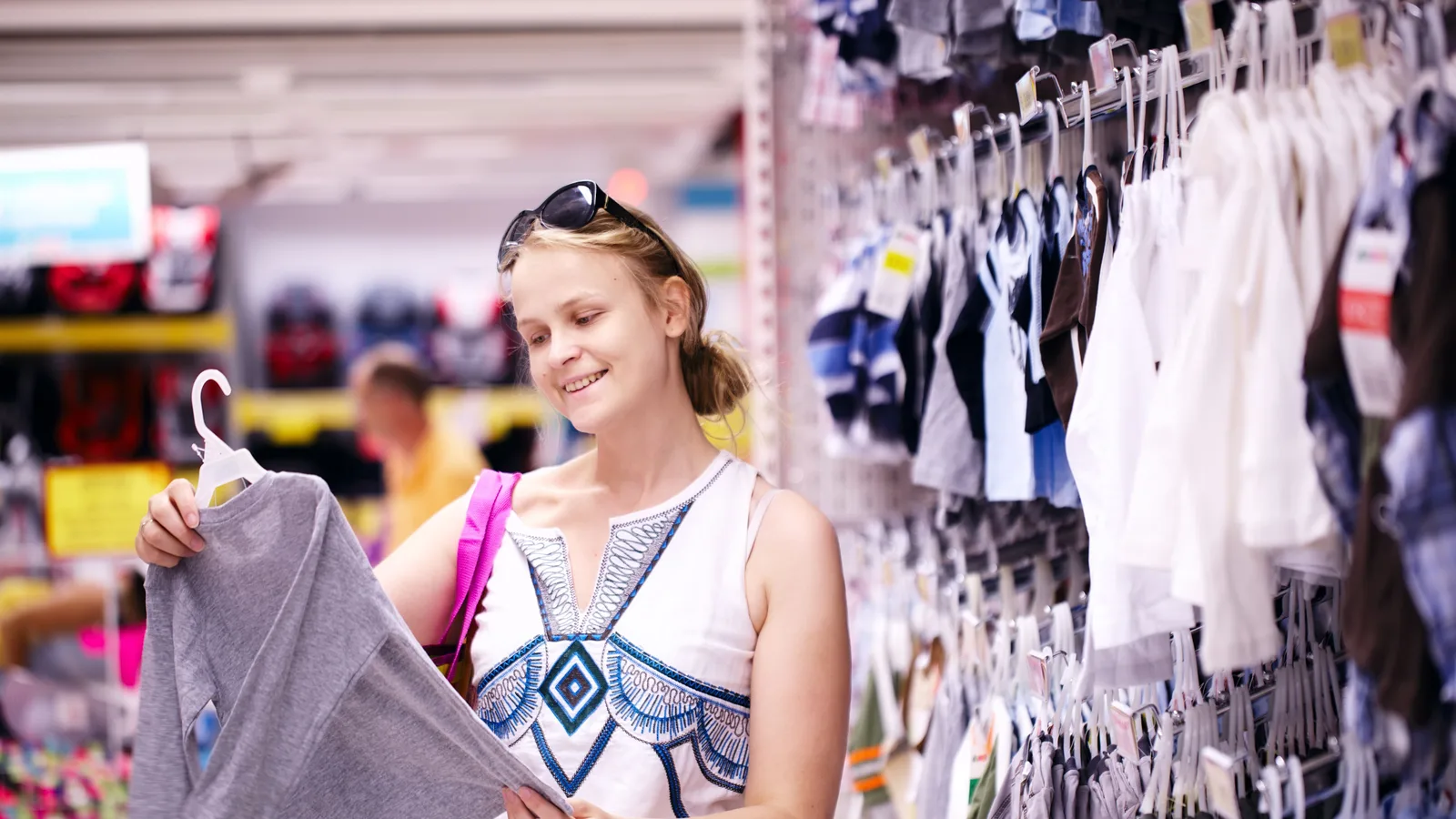
Primark review: the short version
Primark is the benchmark for cheap fashion on the UK high street: vast stores, rails refreshed constantly with trend-led pieces, and prices that undercut almost everyone else. It covers womenswear, menswear, kidswear, underwear, homeware and own-brand beauty, and it does it without the marketing gloss or the premium finishes of its rivals.
That combination makes Primark genuinely useful for some shopping, and genuinely frustrating for the rest. The retailer is at its best when the point of the purchase is low cost and short-term wear — a party top, school-uniform top-ups, pyjamas, bedding, a candle. It is at its weakest when you want a garment that survives regular washing and several years of use, or a fit you can rely on without trying things on.
Our rating reflects that split: exceptional on price and range, ordinary on consistency and longevity.
How Primark scores on the things that matter
- Price
- 5.0 / 5
Hard to beat on ticket price. Few high-street rivals get close on trend-led clothing, kidswear or homeware.
5.0 / 5 - Trend-led style
- 4.5 / 5
New lines land constantly and echo what's in the windows of shops charging several times as much.
4.5 / 5 - Fabric and finish
- 2.5 / 5
Thin jersey, loose stitching and scratchy knits turn up often. Check seams and hold the piece up to the light.
2.5 / 5 - Fit consistency
- 2.5 / 5
Sizing drifts between ranges, and sometimes between colours of the same style. Try on anything fitted.
2.5 / 5 - Range under one roof
- 4.5 / 5
Clothing, home, beauty and kids in one trip, with large out-of-town branches that stock the fullest ranges.
4.5 / 5 - Shopping experience
- 2.5 / 5
Busy floors, long queues and scarce staff at peak times, especially at weekends and in city-centre stores.
2.5 / 5
Price carries the most weight here because that is the entire proposition: you shop at Primark to spend less, and on that measure it delivers. Everything else is a trade-off you are accepting in exchange. The two scores worth staring at are fabric and fit consistency, because those are what turn a cheap purchase into a false economy — a top that costs very little but only survives a handful of washes can end up dearer per wear than a plain one at twice the price.
What Primark gets right
Strengths
- Prices low enough that trying a trend costs very little
- Enormous range in one trip: clothing, kidswear, homeware, beauty, gifts
- Fast-moving stock, so trend-led pieces appear while they are still current
- Reliable on the unglamorous things: socks, underwear, pyjamas, schoolwear, bedding
- Own-brand beauty and homeware are where the value gap is widest
Weaknesses
- Fabric quality is inconsistent; the same style can feel different in another colour
- Sizing varies between ranges, which makes buying without trying on a gamble
- Busy stores, long till queues and too few staff on the floor at weekends
- Not built to last, so cost per wear can beat you in the end
- Value fashion depends on volume, so it is a compromise if ethics drive your choices
The strengths cluster around speed and volume. Primark can put a trend on a rail within weeks and price it low enough that the decision is easy. Where that works best is anything you were never expecting to keep for years: a sequinned top for one party, a holiday cover-up, this season's colour in a plain knit, a duvet set for a student room.
Where Primark lets you down
The weaknesses all stem from the same place. To hit those prices, the fabrics are lighter, the construction is simpler and the quality control is looser than at shops charging more. That shows up as thin jersey that turns see-through in daylight, seams that pull after a few wears, prints that sit slightly off-centre, and knitwear that pills quickly.
The in-store experience is the second weak point. Primark stores are big and busy by design, and the combination of crowded rails, limited changing rooms and long queues at the tills makes browsing tiring. On a Saturday afternoon you can spend more time queueing than shopping.
Neither problem is a reason to avoid the shop altogether, but both should shape how you use it: buy things you can judge by hand, and go when the store is quiet.
Fabric and finish: how to read a Primark rail
Because the same shop sells genuinely decent basics alongside pieces that fall apart, the useful skill is judging a garment in ten seconds on the shop floor:
- Hold it up to the light. If you can see your hand clearly through a top or dress, it will be unforgiving in daylight and won't survive many washes.
- Stretch the side seams and the armhole. Loose, uneven stitching or gaps between stitches are the first things to give.
- Turn it inside out. Overlocked seams that look frayed before you've worn it will fray further.
- Read the composition label. Higher cotton or viscose content generally feels better against the skin than a high-polyester blend, though blends can be more hard-wearing.
- Check patterns line up across the front seam and at the pockets. Misaligned prints are a sign the piece was rushed.
Sizing and fit
Primark does not have a single, dependable size chart in practice. A size 12 in one range can feel like a 10 or a 14 in another, and the same style in a different colour occasionally fits differently. Fitted items — jeans, tailored trousers, structured dresses — are where this bites hardest.
The practical approach is to treat the label as a starting point rather than an answer. Use the changing rooms where they're available and the queues are short, and if you're buying for someone else, keep the receipt and leave the tags on. For loose items — oversized shirts, jersey loungewear, kidswear — sizing is far more forgiving, which is one reason those ranges are the safest buys.
Inside the store
Primark is a physical shopping experience first. Large branches carry the fullest range; small city-centre stores can be picked over by mid-afternoon and may not stock every department. Weekday mornings are calmer, the rails are tidier and the queues are shorter — if you can go then, do.
The layout rewards a plan. Pick up what you came for as you pass it, because getting back to a department on the other side of a big store is a trek. And keep an eye on the tills as you go: a short queue can turn into a long one in minutes.
Primark by department
| Department | Where it shines | What to watch | Our call |
|---|---|---|---|
| Womenswear | Trend-led dresses, tops and occasionwear at low prices | Thin fabric and sizing that shifts between ranges | Best for one-season pieces |
| Menswear | Basics, gym wear, socks and underwear | Smaller, plainer ranges with fewer trend pieces | Buy staples, not style |
| Kidswear | Cheap, cheerful and easy to replace as they grow | Print quality and seams vary between items | One of the strongest departments |
| Underwear and pyjamas | Wide size range, frequent new prints, low prices | Elastic and stitching can go early | Excellent value |
| Homeware | Bedding, towels, candles, kitchen bits and storage | Check sizes and fibre content before you commit | Very strong |
| Beauty | Own-brand makeup, skincare and tools to experiment with | Shades and formulas vary; patch test anything new | Good for trying things cheaply |
If you only have one trip in you, spend it on the middle of that table. Kidswear, underwear, pyjamas and homeware are where Primark's model produces genuine wins, because those are categories where a low price and a short lifespan matter less — children outgrow things, and nobody expects a candle to last a decade.
How to shop Primark well
Go early on a weekday
Quieter floors mean tidier rails, more time in the changing rooms and shorter queues. Saturday afternoon is the worst possible slot.
Write a list before you go in
The low prices are the trap. A list keeps you focused and stops a ten-item basket turning into thirty.
Judge each piece on the rail
Light test, seam stretch, composition label. Two minutes of inspection saves a wasted purchase.
Try on anything fitted
Sizing is inconsistent between ranges, so jeans, tailored pieces and structured dresses need a proper try-on.
Buy multiples of basics that fit
If a vest, pair of pyjamas or pack of socks works for you, buy two. The next batch may be cut differently.
Keep the receipt
Leave tags on until you're sure, and check the current returns terms before you buy.
The value question, honestly
Primark wins on ticket price and loses on cost per wear more often than shoppers admit. A plain cotton T-shirt that costs several times as much but survives two years of washing is cheaper per wear than one you replace three times over. The calculation only flips in Primark's favour when the garment wasn't going to be worn much anyway — occasionwear, a trend you're testing, children's clothes that will be outgrown.
There is also the wider trade-off. This is high-volume, low-price fashion, and if durability, supply-chain transparency or environmental impact shape your decisions, Primark is a compromise rather than a solution. That doesn't make it a bad shop; it makes it a shop with a clear purpose, and the shoppers who get the most from it are the ones who use it for the things it does well.
Primark: common questions
Is Primark good quality?
It varies enormously by item. Jersey basics, pyjamas and home textiles usually hold up reasonably well, while thin occasionwear and anything with lots of stretch or delicate stitching is more of a gamble. Judge the individual garment rather than the shop.
How do Primark sizes run?
There's no single answer, because sizing shifts between ranges and sometimes between colours of the same style. Treat the label as a starting point and try on anything fitted before you buy.
Do Primark clothes shrink or bleed in the wash?
Natural-fibre pieces can shrink and dark dyes can run on the first wash or two. Wash cool and inside out, and keep strong colours away from whites for the first few cycles.
Which Primark departments offer the best value?
Kidswear, underwear, pyjamas and homeware tend to be the strongest. Occasionwear and heavily trend-led pieces are where quality slips most, so inspect those more carefully.
How often does Primark get new stock?
Stock turns over quickly, with new lines arriving continuously rather than on a fixed seasonal schedule. If something fits well and you'll wear it, buy it when you see it — it may not be there next week.