How to Measure Dress Size: A Step-by-Step Guide
Learn how to measure your bust, waist and hips accurately at home, read UK dress size charts and choose the right size when you fall between two.
The short answer
Your dress size is worked out from three body measurements: bust, waist and hips. Take them with a soft tape measure against your underwear or light clothing, then compare the numbers with the size chart for the shop you are looking at. A UK 12 from one label is not the same as a UK 12 from another, so measure fresh each time rather than relying on the size on an old dress. Keep the tape level and snug — not pulled tight — and write the numbers down in both centimetres and inches.
What you need before you start
- A soft fabric tape measure, not a metal builder's tape.
- A full-length mirror so you can check the tape is level at the back.
- The bra or soft top you would normally wear under the dress, plus your usual underwear.
- A helper if you can, or a second look in the mirror if you are on your own.
- A notebook or phone to record each number as you go.
How to measure yourself in order
Set up your tape and stance
Stand in front of the mirror with your feet hip-width apart and your weight evenly balanced. Hold the tape with the numbered side facing out. Breathe normally and keep your shoulders relaxed — tensing up changes the reading.
Measure your bust
Wrap the tape around the fullest part of your bust, usually across the nipples, keeping it level under the arms and across the back. Keep your arms down. Do not pull the tape tight or measure over a padded bra unless that is what you will wear with the dress. Record to the nearest half centimetre or quarter inch.
Measure your waist
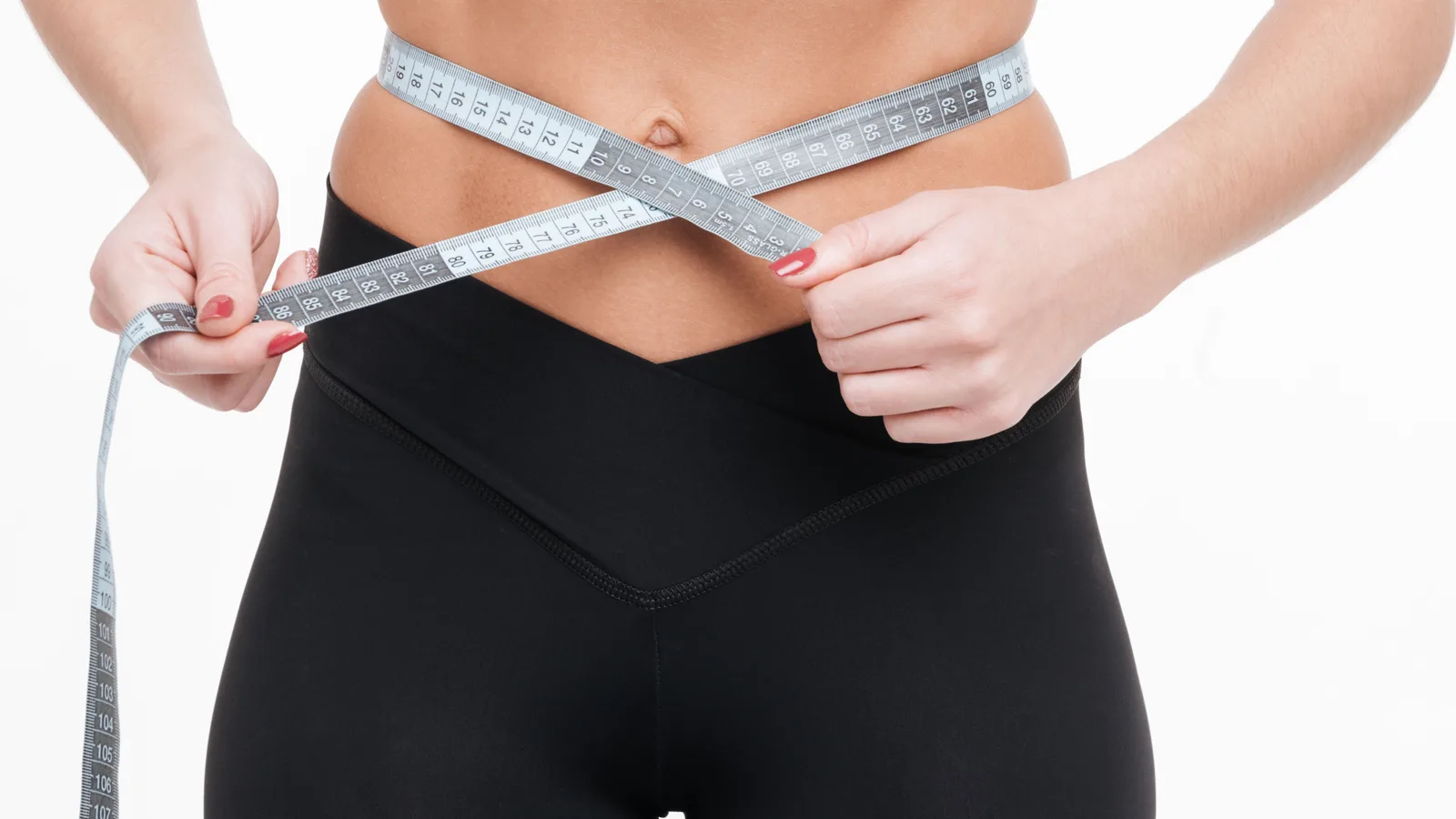
Find the narrowest part of your torso, usually just above the navel and below the ribcage. Bending sideways can help you find the natural crease. Stand tall, exhale normally and keep the tape level. Do not suck your stomach in. Record the number.
Measure your hips
Stand with your feet together. Wrap the tape around the fullest part of your hips and bottom, usually about 18–22 cm (7–9 in) below your waist. Check in the mirror that the tape is level at the front and back. Record the number.
Repeat each measurement
Take each measurement a second time. If the two readings differ by more than 1 cm, reset the tape and take it again. Use the consistent figure rather than an average of a tight and a loose reading.
Compare with the shop's size chart
Take your three numbers to the size chart for the specific dress. Start with the size that matches your largest measurement, then check the other columns. Note whether the chart uses centimetres or inches and convert if needed. If you are between sizes, read the section below before deciding.
Where each measurement sits
- Bust
- Around the fullest part of the bust, tape level under the arms and across the shoulder blades.
- Waist
- Around the narrowest part of the torso, roughly level with the navel or just above it.
- Hips
- Around the fullest part of the hips and bottom, feet together, usually 18–22 cm below the waist.
Reading a UK dress size chart
Most UK dress sizes run in even numbers from 6 upwards, with body measurements given in centimetres and inches. Charts vary: some show a single number for each measurement, others give a range. Read the column headings carefully — bust, waist and hip are the three that matter for most dresses. If a chart uses ranges, choose the size whose range contains your measurement; if you are at the very top of a range, consider the next size up.
If you fall between two sizes
This is common, and the right choice depends on the dress rather than a single rule.
- Woven, non-stretch fabrics such as linen, tailored wool or cotton poplin leave little give. Size to your largest measurement and have the dress taken in if needed.
- Stretch fabrics such as jersey, ponte and elastane blends forgive a centimetre or two, but check the waistband — it still needs to sit comfortably.
- Fit preference matters: a close-fitting occasion dress and a relaxed shirt dress call for different choices.
- Alterations are easier in one direction. Taking in is usually simpler than letting out, because seams only have so much fabric.
Common measuring mistakes
What goes wrong with a tape measure, and how to correct it
| Mistake | What it does | How to fix it |
|---|---|---|
| Tape sloping at the back | Adds several centimetres to a bust or hip reading | Check in a mirror or ask someone to look; the tape should be parallel to the floor all the way round. |
| Pulling the tape tight | Gives a smaller reading than the dress will need | Keep it snug: one finger should just slide under the tape, no more. |
| Measuring over a padded bra or thick clothing | Adds bulk you will not have in the dress | Measure in the bra you would wear with the dress, or a non-padded one, and avoid jumpers. |
| Holding your breath or standing tense | Reads smaller at the waist | Exhale normally, relax your shoulders and measure again. |
| Using an old dress size | Sizes change between shops and over time | Measure fresh each time and check that shop's chart rather than a label. |
| Using a stiff or stretched tape | Readings drift, especially around curves | Use a soft, unstretched fabric tape; replace it if it is kinked or the markings are worn. |
Measuring alone versus with help
If someone is helping, ask them to stand to the side and read the number at eye level rather than looking down, which can distort the tape. They should keep the tape level and place a finger underneath so it is not over-tightened. On your own, use the mirror to check the back and take each measurement twice. Do not twist your torso to see the number — stand naturally, then look in the mirror or use a tape with a locking pin.
Why the same size fits differently
Two dresses labelled the same size can fit differently because of fabric, cut and the way a brand grades its sizes. A bias-cut dress in fluid fabric will skim the body, while a structured cotton or wool dress has less give. Stretch jersey can forgive a centimetre or two at the waist; a woven linen shift will not. Use your measurements as the starting point, then check the specific dress's chart, fabric and fit notes before you decide.
Frequently asked questions about dress sizes
Should I measure in inches or centimetres?
Either works, as long as you use the same unit as the size chart. If the chart is in centimetres, measure in centimetres; converting a rounded inch measurement can add a small error. Write down both if you are comparing several shops.
Can I measure myself without help?
Yes. Stand in front of a full-length mirror, keep the tape level at the back and take each measurement twice. A tape with a locking pin can hold the reading while you check it. If the two readings differ by more than 1 cm, reset and try again.
What if my bust and hips are different sizes?
Buy for the larger of the two and plan to alter the other area. On a fitted dress, the bust and hip are harder to adjust than the waist, so the larger measurement should win. A loose waist is usually simpler to take in.
Is my dress size the same as my trouser size?
No. Trouser sizes use waist and sometimes hip measurements, while dress sizes combine bust, waist and hips. A size 12 trouser and a size 12 dress from the same shop may not match, so check each chart separately.
How often should I re-measure?
Re-measure if your weight, bra size or body shape has changed, and before any important fitted purchase. Hormonal changes, training and age can shift measurements even when your clothes feel the same. It takes five minutes, so there is no harm in doing it each time.
Do I need to measure my height?
For most dresses, no. Some size charts include height or inside leg for maxi styles, but the core dress size is based on bust, waist and hips. Check the chart if you are buying a floor-length style or a petite or tall range.